Matcha tea has made its debut at Château de la Ballue
Now a staple in cafés and on social media, matcha tea has gained popularity far beyond Japan. At the Château de la Ballue’s tea room, this speciality has now been added to the menu as part of an initiative to embrace cultural and culinary influences from around the world.
A tea powder from Asia
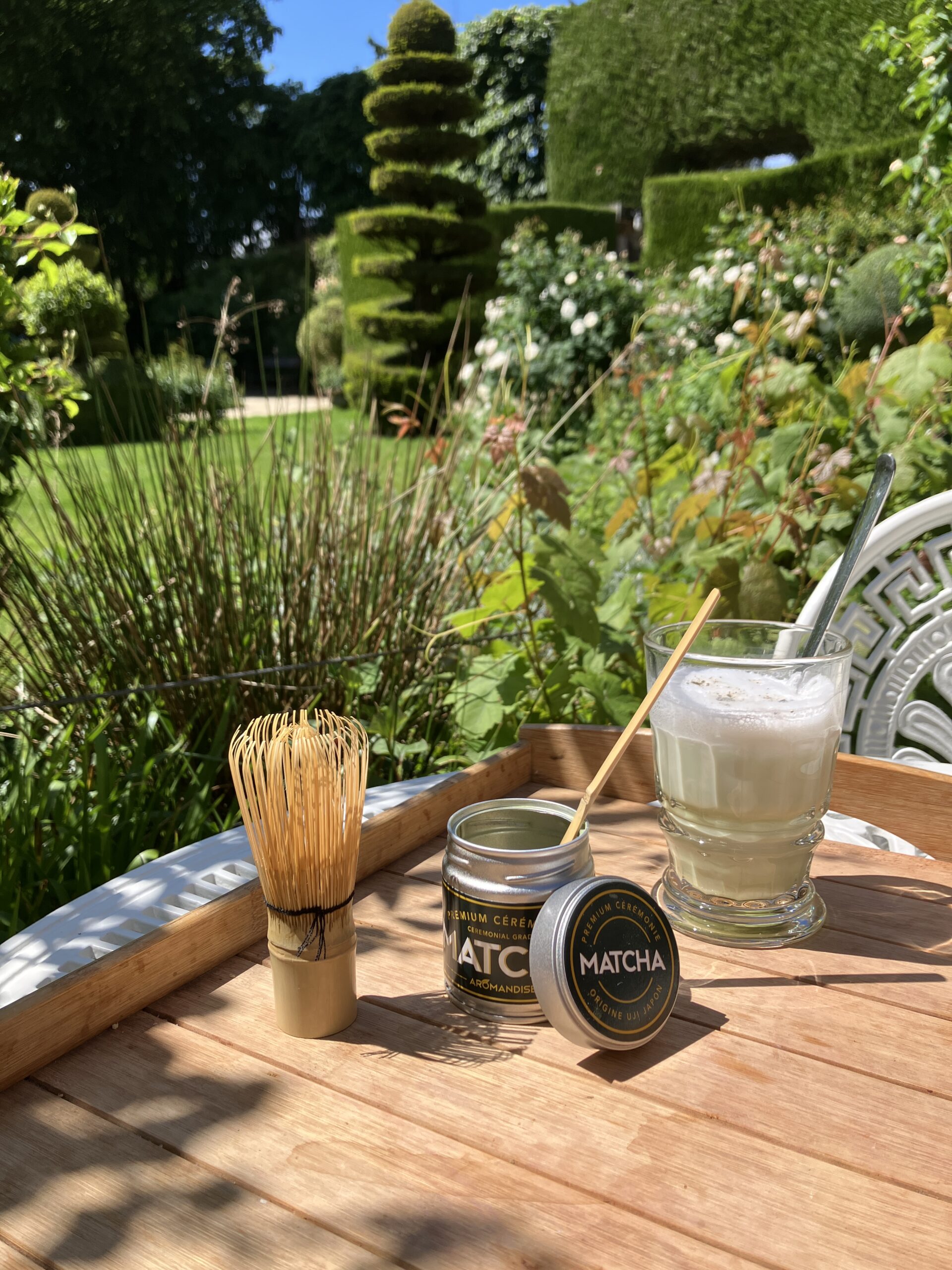
Matcha is a very fine green tea powder produced by grinding the leaves between two stone mills. Unlike traditional teas, which are steeped and then removed from the water, matcha is consumed in its entirety, giving it its characteristic flavour, which is both grassy and slightly bitter.
Its origins date back to China, where powdered tea was already being consumed by Buddhist monks during the Sui Dynasty (581–618). This practice was subsequently introduced to Japan, where it became an essential part of the Japanese tea ceremony, the chanoyu. Traditionally prepared in a bowl (the chawan) using a bamboo whisk (the chasen), matcha is now used both as a drink and in baking.
A drink with numerous health benefits
Matcha’s enduring popularity over the years is also due to its many health benefits. Naturally rich in antioxidants, it is renowned for helping to protect cells from ageing.
Matcha is also valued for its calming effects: thanks to the presence of L-theanine, it promotes concentration whilst inducing a sense of calm. Many regard it as a gentler alternative to coffee.
It is also said to have detoxifying properties, as well as a stimulating effect on the metabolism and fat burning. Finally, its vitamins and antioxidants are thought to help improve the radiance and health of the skin.
Matcha at the château: a window onto other cultures
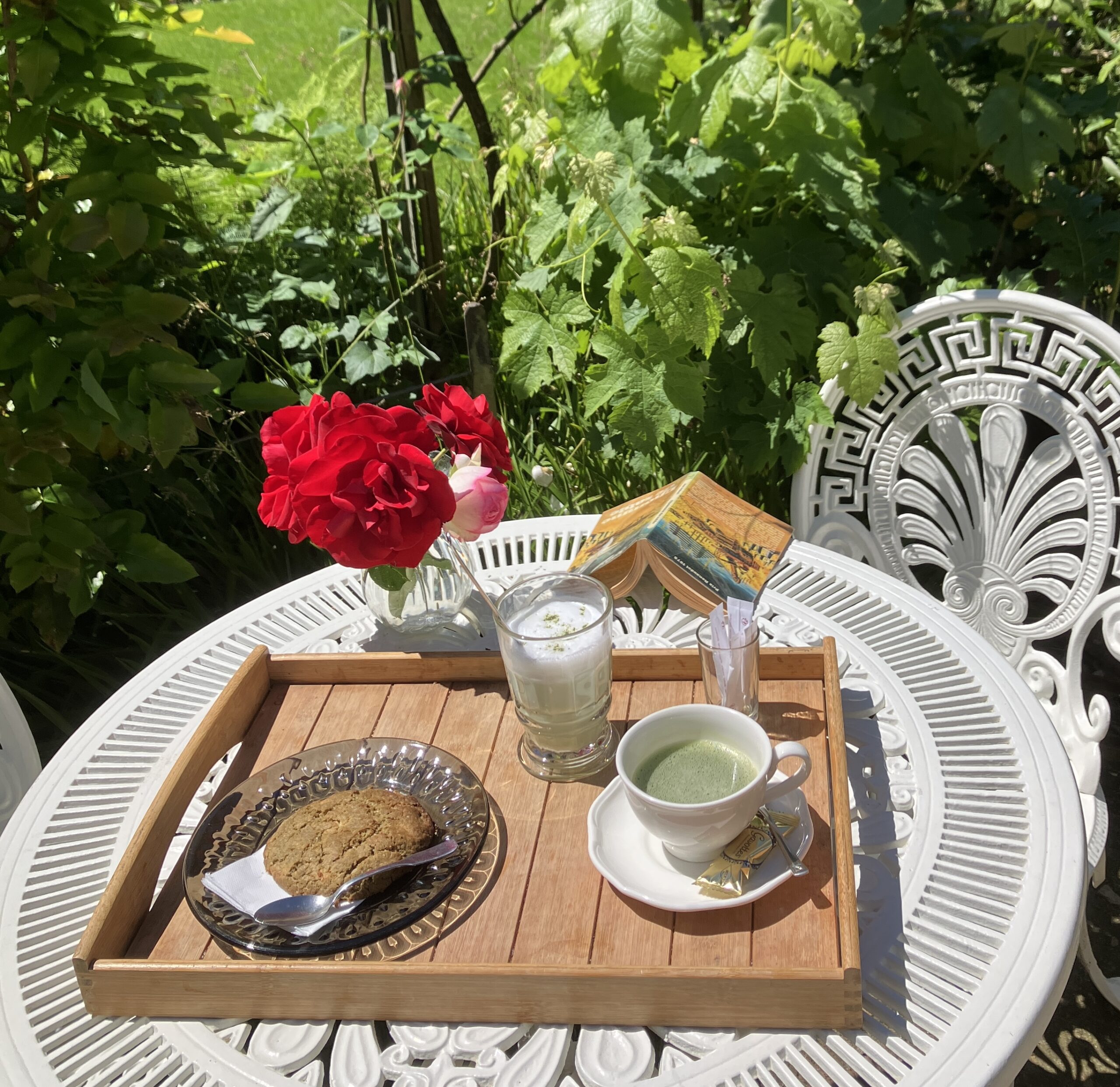
Château de la Ballue now offers several matcha-based drinks in its tea room. Visitors can enjoy traditional matcha served in bowls inspired by the Japanese tea ceremony, as well as a matcha latte, which is milder and creamier.
The menu also features a gourmet option: a white chocolate and matcha cookie, blending the two flavours.
This introduction to Japanese culture echoes the aesthetic of the château’s gardens, particularly the Monterrey pines with their cloud-shaped pruning inspired by Japanese gardens. Through this new offering, Château de la Ballue continues its commitment to fostering a dialogue between heritage, modernity and influences from elsewhere.
©Photos: La Ballue